

Mineral Resources in Northern Saudi Arabia
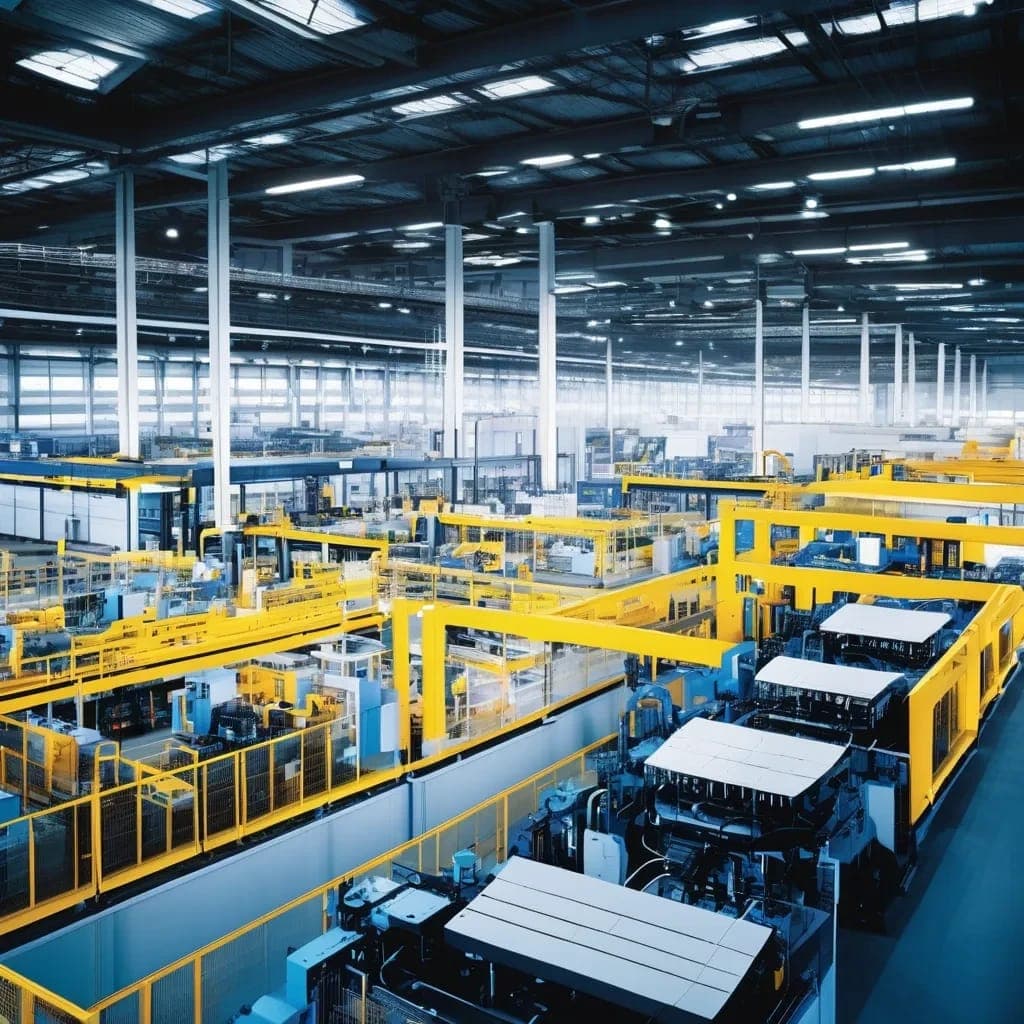
Mineral Resources in Northern Saudi Arabia. play a vital economic role and contribute significantly to national development. The region receives considerable attention due to its richness in high-value minerals used across multiple industries. Moreover, with its unique geological diversity, the Kingdom is accelerating the development of the mining sector under Vision 2030 to boost economic returns and attract new investment opportunities.
Mineral Resources in Northern Saudi Arabia
Mineral resources in northern Saudi Arabia are among the country’s most valuable natural assets thanks to the high concentration of diverse minerals. The following sections outline the key minerals found in the region along with their primary uses and economic significance.
Gold
Gold is one of the most important minerals in northern Saudi Arabia due to its industrial and economic value. It is also a strategic component of national monetary reserves. Notable gold mines such as Jabal Sayid and Wadi Ashar highlight the region’s strong mining potential.
Phosphate
The Hazm Al-Jalamid area contains large phosphate reserves, a vital mineral used in food production, pharmaceuticals, fertilizers, and detergents. Additionally, the “Waad Al-Shamal” project is expanding Saudi Arabia’s phosphate output, positioning the Kingdom to become one of the world’s top three producers.
Copper and Zinc
Copper and zinc hold significant value due to their essential role in electrical manufacturing, especially in cables and wiring systems. Several projects are underway to extract these minerals and support related industrial growth.
Uranium
Uranium is considered one of the most strategic minerals in northern Saudi Arabia. Areas in the northern region and Hail contain promising uranium deposits. The government continues to strengthen geological surveying to support national reserves and advance the peaceful nuclear energy program.
The Importance of the Mining Sector in Saudi Arabia
Understanding the minerals available highlights the critical role of the mining sector in the Saudi economy. In fact, mineral resources in northern Saudi Arabia contribute significantly to the sector’s growth and national impact.
- The mining sector represents the third-largest pillar of the national economy.
- It supports sustainable development and helps diversify income sources.
- It creates thousands of job opportunities for Saudi citizens.
- It attracts both local and international investments and strengthens downstream industries.
Investment Opportunities in Northern Saudi Mining
Thanks to the sector’s strength, many organizations are pursuing investments in mining, particularly in the northern region. Consequently, the Kingdom has launched several large-scale projects to ensure continual development.
- Phosphate extraction projects: Saudi Arabia’s vast reserves make phosphate mining a strategic opportunity.
- Gold and copper mine development: These initiatives support industries related to precious and industrial metals.
- Rare metal projects: Including tantalum and lithium, with expectations that the Kingdom could become a global competitor in this field.
- Mining technology and equipment development: Advanced technologies help increase extraction efficiency and reduce operational costs.
Infrastructure and Its Role in Enhancing Mining in Northern Saudi Arabia
Strong infrastructure is essential for mining success, particularly for transport and logistics. Therefore, the Kingdom has implemented targeted plans to enhance these capabilities.
Development of Transportation and Logistics Networks
Because many mining sites are located in remote areas, Saudi Arabia has expanded highways connecting mines to processing centers. Modern logistics hubs have been established as well, and the railway network — including the Hazm Al-Jalamid line — plays a major role in transporting phosphate to industrial ports.
Enhancing Industrial Zones
The Kingdom has upgraded ports and industrial zones that specialize in mineral processing, such as the Waad Al-Shamal industrial city and Ras Al-Khair port. These facilities improve supply chain efficiency and support broader industrial growth.
Use of Modern Technologies in Mining
Rapid technological advancement has transformed the mining sector. Today, operations rely on innovative tools that enhance accuracy and reduce environmental footprint:
- Artificial intelligence and machine learning for detecting mineral deposits.
- Smart control systems to boost operational efficiency and reduce errors.
- Aerial surveys using drones and robotic systems for high-precision data.
- Eco-friendly technologies designed to reduce the environmental impact of mining.
Government Support for the Mining Sector
Saudi Arabia places strong emphasis on the mining sector, which includes more than 48 types of minerals — about 15 of them with high economic value. Mining activity dates back to 1931 and has evolved significantly over time.
Under Vision 2030, mining has become a strategic engine for national growth. As a result, the government introduced several initiatives to strengthen the sector:
- A new mining law that encourages investment, protects investor rights, and reduces tax rates to 20%.
- Establishing the National Geological Database.
- Launching the “Taadeen” platform to streamline licensing and digital services.
- Expanding geological survey programs across the Kingdom.
- Enhancing mineral resource projects in northern Saudi Arabia and increasing phosphate production.
With extensive mineral diversity and continuous government support, the mining sector is expected to achieve strong future growth. It is now a key economic pillar that strengthens local development and elevates the Kingdom’s global standing in the mining industry.