Closed Current Transformer Circuit Damages
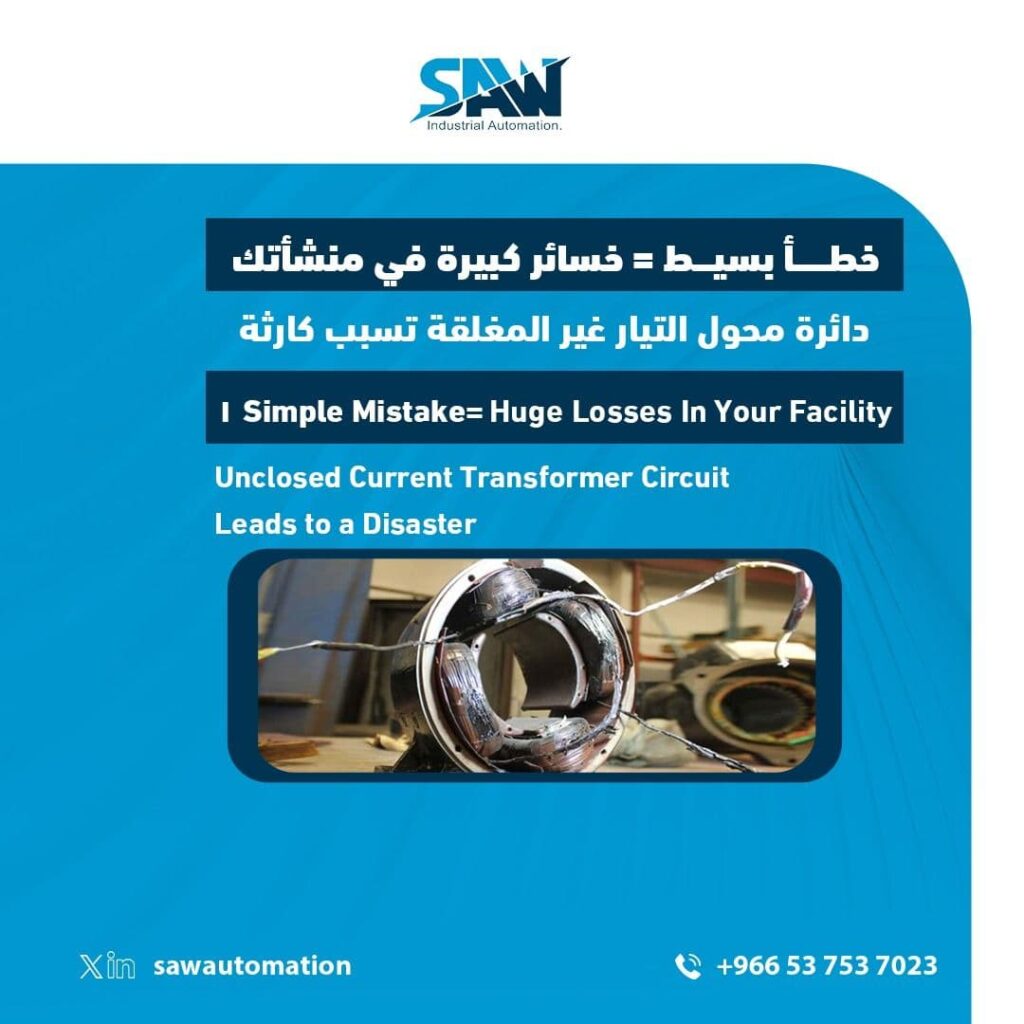
Closed Current Transformer Circuit Damages. A closed current transformer (CT) circuit is considered an exceptional and dangerous condition in CT systems, as it can cause serious damage if not handled properly. When a fault occurs in the secondary circuit of the CT, the voltage rises sharply, posing a threat to electrical equipment and personnel safety. Therefore, it is crucial to understand the causes, risks, and preventive measures associated with this condition.
What Is a Closed Current Transformer Circuit?
Before explaining the meaning of a closed CT circuit, it is important to understand the function of current transformers. These transformers convert high current into a lower, measurable current used to operate protection relays and metering devices. Under normal operation, the secondary current flows safely into measurement instruments.
However, in the case of a closed current transformer circuit, the CT secondary becomes shorted with an unsuitable or very low resistance load. As a result, the secondary voltage rises to dangerous levels, which may damage the transformer or cause electrical hazards.
Causes of a Closed CT Circuit
Several conditions can lead to an improperly closed CT circuit. The most common causes include:
- Operating the secondary winding without a proper load.
- Incorrect or loose secondary wiring connections.
- Poor connection between meters, relays, and CT secondary terminals.
- Insulation degradation caused by temperature, aging, or moisture.
Risks and Damages of a Closed CT Circuit
Closing a CT secondary circuit without a proper load can trigger several dangerous outcomes. The main risks include:
1. High Voltage in the Secondary Winding
When the circuit is closed with very low resistance, the secondary voltage increases significantly. Continuously rising voltage may damage the internal insulation, resulting in short circuits or burnt windings. Additionally, measurement devices may fail due to unexpected high voltage.
2. Excessive Heating of the Transformer
Sudden changes in current cause the CT to generate excessive heat. If the overheating continues, the transformer may burn out. Furthermore, high temperatures weaken insulation and reduce operating efficiency.
3. Complete CT Failure
Prolonged operation under unstable conditions leads to gradual deterioration of the transformer until it stops working entirely. In such cases, replacement becomes necessary, resulting in significant financial losses.
4. Negative Impact on the Overall Electrical System
Closed CT circuits can also distort electrical signals across the system and negatively affect protection coordination between circuit breakers.
Types of Current Transformers
Current transformers are divided into two main types, each chosen based on application requirements:
1. Indoor CTs
Installed inside metal enclosures and used in controlled environments. They include wound-type CTs and window-type CTs.
2. Outdoor CTs
Used in outdoor installations and rely on oil insulation or solid dielectric materials to withstand harsh conditions.
Applications of Current Transformers
Measuring Electrical Current
CTs supply meters with safe and measurable current values to monitor system performance.
Operating Protection Systems
CTs feed protection relays, which disconnect circuits when abnormal current is detected.
How to Choose Low-Voltage Current Transformers
To select a suitable low-voltage CT, consider the following guidelines:
- Select the CT opening type (round or square) based on the cable size.
- Choose a transformation ratio slightly higher than the expected current.
- Use open-type CTs for easy replacement and maintenance.
- Apply closed CT circuits only in new installations with safety precautions.
How to Prevent Closed CT Circuits
To minimize risks associated with closed CT circuits, follow these safety measures:
- Always connect the secondary winding to an appropriate load or properly rated measuring device.
- Install additional protection devices to protect the secondary from sudden high voltage.
- Use dedicated relays and breakers designed for CT circuits.
- Perform periodic inspections to ensure good insulation and tight connections.
- Choose high-quality CTs from reputable manufacturers to ensure longer service life and higher safety.
If unusual sounds or significant temperature changes are noticed, a specialist should inspect the CT immediately, as these signs may indicate internal failure requiring urgent repair.
In conclusion, a closed current transformer circuit is one of the most dangerous conditions that can affect measurement and protection systems. Therefore, it must be handled with full awareness and adherence to safety practices to ensure stable and safe operation of all electrical system components.